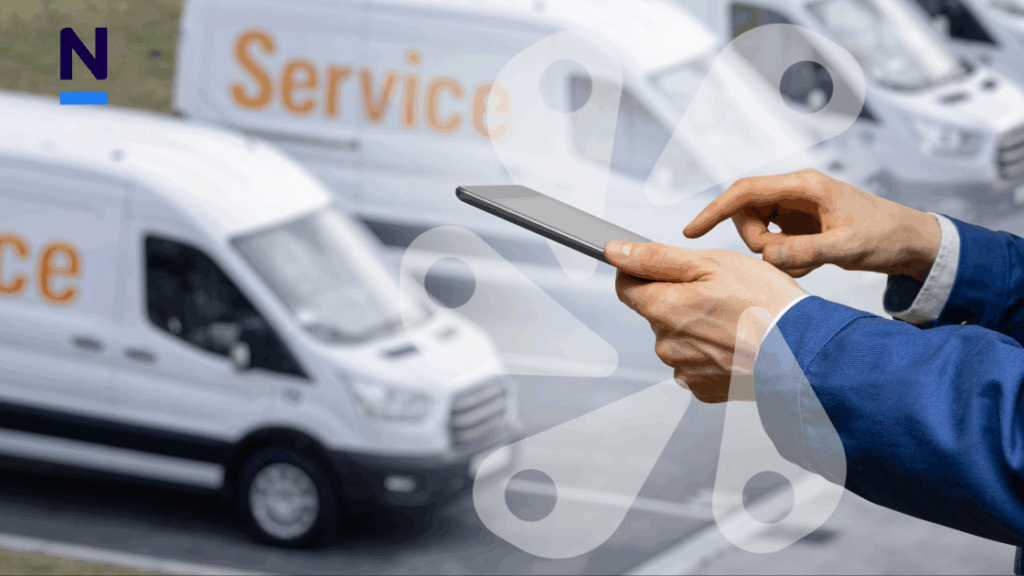
Fleet management has come a long way. It used to be about knowing where your vehicles were or how many jobs could fit into a shift. Today, with real-time data at your fingertips, fleet managers can make smarter decisions that reduce costs, improve safety, and keep operations running smoothly.
At the heart of this shift are fleet management KPIs—key performance indicators that reveal what’s working, what isn’t, and where improvements can be made. From driver safety to fuel efficiency, the right metrics can transform the way your fleet performs.
What is Fleet Management and Why It Matters
Fleet management is the coordination, tracking, and optimisation of vehicles and assets across industries like logistics, delivery, construction, utilities, government, and field services.
In today’s climate of rising fuel prices, tighter compliance requirements, and growing sustainability demands, visibility is everything. Fleet management KPIs provide that clarity. They help you understand how your vehicles, drivers, and systems are performing—giving you the insight to make informed, data-driven decisions.
Related Article: What is Fleet Management
Why Fleet Management matters
- Real-Time Visibility: GPS tracking tools show exactly where vehicles are and how they’re being driven. This enables faster response times, reduced delays, and greater accountability.
- Predictive Maintenance: Monitoring engine health, usage hours, and wear patterns lets you schedule maintenance before breakdowns occur—reducing downtime and extending vehicle life.
- Driver Monitoring: By tracking speeding, harsh braking, fatigue incidents and mobile phone use, you can identify risky drivers and improve training and coaching.
- Fuel & Route Optimisation: Fleet KPIs on fuel consumption and route efficiency cut unnecessary fuel use, reduce costs, and support sustainability goals.
The value of fleet performance metrics
Safety and Compliance Risks:
Measuring driver behaviour, speeding, and fatigue incidents reduces accident risk, lowers liability, and ensures compliance with audits and insurance requirements.
Operational Efficiency:
KPIs highlight wasted fuel, inefficient routes, and idle vehicles—helping managers optimise resources and improve productivity.
Employee Health and Wellbeing:
Monitoring hours, rest periods, and shift lengths promotes a safer, healthier work environment and reduces fatigue-related risks.
Fleet Reliability:
Tracking service intervals, fault codes, and performance metrics prevents unplanned breakdowns and ensures vehicles stay road-ready.
Related Article: How Telematic Devices Can Help Improve Driver Performance
Safety KPIs: Protecting Drivers and Assets
Reduce Collision Frequency:
Measure collisions per kilometres travelled to identify patterns by route, driver, or vehicle.
Monitor Risky Driving Behaviours:
Spot trends in speeding, harsh braking, or fatigue and step in with training before problems escalate.
Benchmark Safety Improvements Over Time:
Month-on-month or year-on-year comparisons show whether safety initiatives are working and provide measurable proof of progress.
Fleet Efficiency KPIs
Fuel Consumption Rates:
Fuel is one of the largest recurring expenses in fleet management. Monitoring litres consumed per 100 kilometres provides you with a solid starting point. Compare vehicles, drivers and routes to identify inefficiencies. Minor gains in fuel consumption can translate to substantial savings over time, particularly across large fleets running daily.
Route Optimisation and Idling Analysis:
Using GPS data, you can monitor route efficiency and identify when vehicles are stuck in traffic, taking detours or idling unnecessarily. This helps reduce wasted fuel and time. Optimised routing also means better arrival estimates, improved driver productivity and fewer delays for customers or job sites.
Fleet Utilisation Insights:
Fleet utilisation metrics show how many vehicles are being used effectively during each shift. This includes start times, end times, driver breaks and idle periods. If you are over-allocating vehicles or underusing available assets, these insights help you rebalance resources and maximise return on every vehicle in your operation.
Why Data Is Useless Without Actionable KPIs
Collecting data is only useful if you know how to apply it. Turning raw information into measurable KPIs gives your team something to work towards. It helps you monitor trends, measure progress and make changes based on real performance. Without that structure, you are left with numbers that offer no real direction or value.
How Netstar Supports Smart Fleet Management
Netstar’s fleet management platform delivers data that aligns with your operational goals. Whether you run a small fleet or a national operation, we help improve safety, efficiency and compliance through live tracking, driver monitoring and automated reporting. Our FleetAI solution goes beyond that with predictive analytics, enabling you to forecast problems before they arise. With insights and simple tools delivered specifically for you, you can make optimal decisions for your fleet daily.
Smart Metrics Start with Smart Systems
Netstar has been supporting Australian fleets for over 30 years. Our telematics solutions provide you with the resources to measure performance, enhance safety and achieve compliance goals in real-time. If you operate in logistics, construction, government or field services, we adapt our technology to your requirements. For better visibility and control over your vehicles, call 1300 728 882, email sales@netstaraus.com.au or send us an enquiry today.