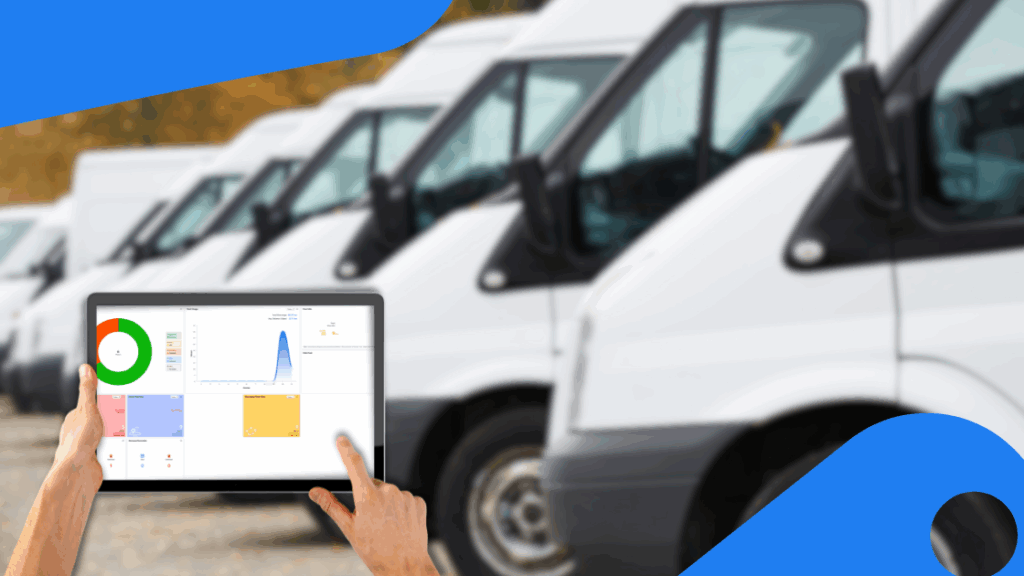
Fleet management is a term used to describe the way in which company-registered vehicles are used, maintained and coordinated. The role of fleet management is to improve efficiency, lower costs and ensure compliance with legislation enforced by regulators.
An effective fleet management system relies on the data gathered by telematics devices installed in each vehicle. The benefits of telematics are clear, giving managers the insight to act on vehicle needs and adjust operations in real time. That same data also supports longer-term planning, helping businesses improve efficiency and make decisions based on accurate records rather than assumptions.
A fleet management solution is essential for any business that depends on company vehicles to deliver goods, handle callouts or service clients.
How Does a Fleet Management System Work?
The following five data points make up an effective fleet management system:
1. Vehicle Maintenance
Automated reminders and vehicle usage data can be used to notify administrators of a vehicle’s regular servicing requirements. Other information collected by the vehicle tracker also helps to schedule necessary repairs, preventing unnecessary downtime.
2. Fuel Management
Fleet management systems provide recommendations on the most efficient routes drivers can take, further reducing the operating costs of your business.
3. Driver Management
Vehicle tracking devices monitor driver behaviour such as speeding, hard acceleration or harsh cornering. Alongside compliance, this data can be used to improve safety standards across your business.
4. Route Planning and Optimisation
In addition to helping drivers optimise their route choice for fuel consumption and timeliness, many asset management systems also incorporate geofencing technology, which can trigger an alert if an asset leaves a particular boundary or path.
Related Article: What is Geofencing
5. Asset Tracking
One of the primary uses of a fleet management solution is to track your assets’ location in real time. Netstar’s asset tracking software is a key component of our fleet management system, providing current information on the locations of every asset in your fleet.
What Do Fleet Managers Do?
Fleet managers oversee the full operation of company vehicles. They schedule servicing, monitor fuel use, plan routes, check compliance and support driver safety. Their role connects the workshop, the drivers and the office, so they need to manage details while also keeping the bigger picture in mind. Rising fuel prices, changing customer demands and the pressure to keep vehicles on the road mean the job is rarely straightforward.
Managers relying on paper records or basic spreadsheets often lack real-time visibility. A breakdown may not be flagged until it causes delays, or incomplete fuel records can hide wastage. Without the right software, these gaps drive up costs, extend downtime and add pressure on fleet managers.
What is a Fleet Management System?
You might be wondering, what is fleet management software, and why does it matter for my business? Encompassing a range of GPS tracking devices, fleet management software is a digital system that helps to streamline administrative tasks. With automated alerts and a wealth of information about company vehicles available at all times, a fleet management system provides operators with a centralised view of all company vehicles. These solutions deliver specific insights into vehicle performance, driver behaviour and overall efficiency.
What Can Be Tracked In Fleet Management Software?
Trucks & Heavy Vehicles
Running trucks and heavy vehicles is never cheap. Fuel alone can take a big slice of the budget, and repairs only add to the cost. A fleet management system gives managers a clearer picture of how those vehicles are being used. It shows where they are, how often they are on the move and when a service is due.
Cars & Light Vehicles
Cars and light vehicles usually carry staff to clients, sites or service jobs. They may be smaller, but they often make up the largest part of a fleet. Tracking them through a central system lets managers control costs, cut downtime and ensure vehicles are always ready to go.
Construction & Heavy Equipment
Big machines cost big money. You can’t afford to let excavators, bulldozers and cranes sit idle, yet that’s what happens without clear visibility of their location and use. A fleet system shows which site the equipment is on and logs hours in use for effective scheduling of maintenance work.
Trailers
It’s surprisingly easy to lose track of trailers. They’re dropped off, swapped between trucks or parked in a corner until someone realises they’re needed again. That’s time wasted. With trailer tracking in place, managers don’t have to guess. They know where trailers are at all times, which keeps deliveries on track and avoids costly delays.
Benefits of Fleet Management Software
The benefits of fleet management solutions include:
Cost Reduction – A fleet management solution saves your business money by minimising fuel consumption through route optimisation and offering predictive maintenance scheduling capabilities.
Enhanced Safety – Your fleet management system can identify and alert an administrator to any risky driving behaviours, including speeding or harsh braking, helping shape proactive responses.
Improved Efficiency – Tasks such as maintaining regulatory compliance and generating reports can be automated in a fleet management system to improve overall efficiency at your business.
Sustainability Goals – Fleet management systems help your business achieve sustainability goals by reducing emissions through optimised fuel usage.
Regulatory Compliance – Within a fleet management system, vehicle inspections, license renewals and heavy vehicle data can all be tracked in order to avoid legal repercussions.
Better Customer Service – Vehicle tracking systems ensure packages are delivered on time to customers, with improved route planning and real-time location data integrations.
Who Can Benefit from Fleet Management Software?
The benefits of a fleet management system can be applied to a wide variety of operations. Industries that commonly use fleet management systems include rental car operators, government agencies, small and medium-sized businesses and mining companies.
How Fleet Management Software Drives Business Growth
There are a number of reasons why fleet management is important to the growth of your business. Knowing how to improve fleet management with the right software is key.
- Reducing operational costs and enabling further investment or growth in other areas.
- Providing a competitive edge through data-driven insights that improve customer service.
- Enabling the creation of long-term growth strategies that harness the information collected by your vehicles.
Future Trends in Fleet Management
How a fleet management system works is currently undergoing a considerable change. Artificial intelligence (AI) in fleet management is reshaping the way the industry operates, enabling the collection of more comprehensive data and providing more advanced analytics.
Why Invest in Fleet Management Software?
The benefits of fleet management solutions for your business are numerous and include increased operational efficiency, reduced operating costs and enhanced safety practices. Choosing an effective fleet management system centralises the operation of vehicle fleets, both large and small, reducing the level of human administration required. For more information on Netstar’s leading fleet management solutions, contact us today.