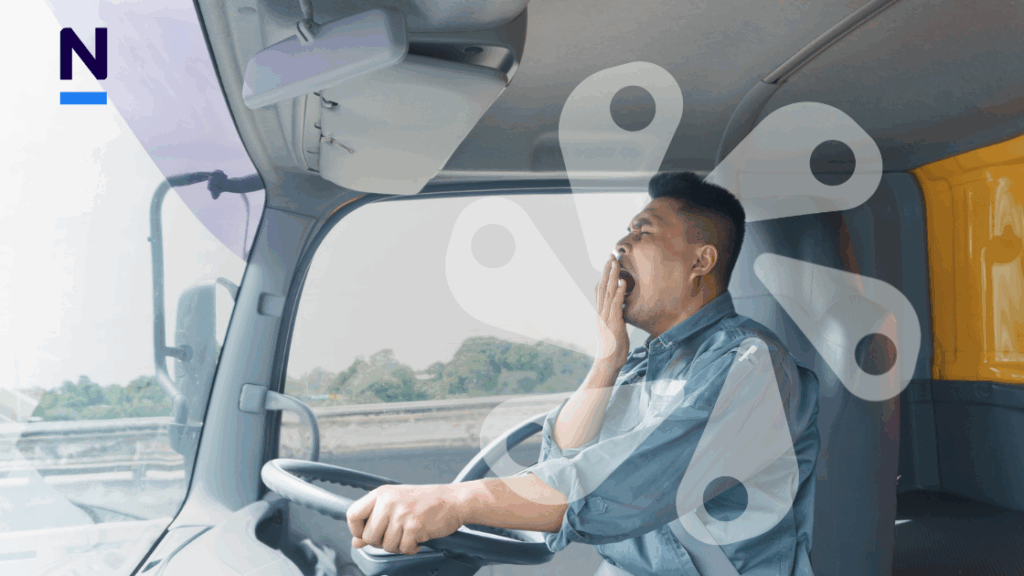
Driver fatigue is a serious safety risk for fleet operators. It creeps in slowly, then suddenly compromises driver alertness and decision-making, contributing to thousands of road accidents across Australia each year.
This guide explores what fatigue really is, why driver fatigue management matters for your fleet and how Netstar’s fleet management solutions can help you manage it proactively.
What is Driver Fatigue
Generally, fatigue is a dangerous and cumulative state of mental and physical exhaustion that builds over time. It impacts a driver’s reaction time, situational awareness and judgement — often without them knowing it. For fleet managers, recognising and addressing fatigue is essential to protecting lives and keeping their daily operations safe.
Related Article: What is Fleet Management
Driver Fatigue Statistics in Australia:
- One in five Victorians struggled to keep their eyes open while driving: A 2024 TAC survey found that 21% of respondents admitted to driving despite struggling to stay awake.
- Men aged 18–59 in regional areas are most at risk: Among that group, 37% said they had driven while very tired, putting them at high crash risk.
- Fatigue contributes to 20–30% of all crashes nationwide: According to the AAA, fatigue is a factor in nearly a third of car accidents in Australia.
- 30 Victorian deaths each year are linked to tired driving: Drowsy driving is linked to around 30 road fatalities annually, according to the TAC.
- Less than five hours of sleep means four times more likely to meet with accidents: Tired drivers with under five hours of rest are significantly more likely to be involved in an accident.
Why Driver Fatigue Matters To Fleet Managers
Safety and Compliance Risks
Fatigue can affect drivers’ reaction time, focus and the ability to make safe decisions, leading to accidents and injuries. This also raises serious compliance concerns for fleet managers. If your drivers are regularly fatigued, you may fall short of your duty of care. Managing fatigue is part of maintaining a safe, lawful operation and keeping people out of harm’s way.
Operational Efficiency
When drivers are exhausted, things slow down — literally. Fatigued drivers are more likely to miss turns, take longer breaks or require rerouting. This throws off schedules and creates inefficiencies across the board. Managing fatigue helps ensure deliveries stay on time, fuel is used wisely and staff are working in their best conditions.
Employee Health and Wellbeing
Fatigue doesn’t just affect work performance but also their overall wellbeing. Long shifts, irregular hours and lack of rest can take a toll on physical and mental health. By prioritising fatigue management, you can demonstrate to your drivers that their safety matters, which boosts morale and encourages long-term loyalty to your business.
Fleet Reliability
Fatigued driving puts strain not only on people but also on your vehicles. Slower reflexes and poor judgment increase the chances of collisions, near misses and mechanical wear. Well-rested drivers operate more smoothly, reducing maintenance costs and helping your fleet stay road-ready longer.
Want to dig deeper? Read about the benefits of telematics in improving driver performance.
Related Article: How Telematic Devices Can Help Improve Driver Performance
Practical Tips for Fleet Managers:
Encourage a Culture of Safety:
Driver fatigue management starts with trust and communication. Create a workplace culture where drivers feel comfortable speaking up when they’re tired. Avoid pushing unrealistic schedules and instead focus on achievable, safe driving targets. Managers should model responsible behaviour and reinforce that safety always comes first, not just for drivers, but for everyone on the road.
Training and Education:
Invest in training that teaches drivers to recognise early fatigue symptoms such as lane drifting, zoning out or forgetting recent kilometres. Keep this training consistent and backed by data from telematics systems. When you see fatigue risk patterns emerge, use that insight to coach drivers in real-time and build better habits over the long term. This is when an effective driver fatigue management system should be in place.
Better Decision Making & Compliance
Make data part of your daily operations. Use insights from Netstar’s telematics platform to plan smarter rosters, adjust shift rotations and support fatigue compliance. Having a clearer view of rest periods, route durations, and driver behaviour allows you to optimise schedules without compromising safety or legality.
Use Fatigue Monitoring Technology:
Install AI dash cams with driver monitoring to identify when fatigue is setting in. These systems use real-time alerts to detect nodding off, distracted driving and other high-risk signals. Acting on these alerts helps you intervene before minor issues become serious incidents.
Protect Your People and Performance with Smarter Fatigue Management
Netstar has more than 30 years of experience delivering telematics solutions built for Australian fleets. From AI dash cams to fatigue alerts and compliance tracking, our platform helps you safeguard drivers and reduce operational risk.
Have questions? Contact us or call 1300 728 882.