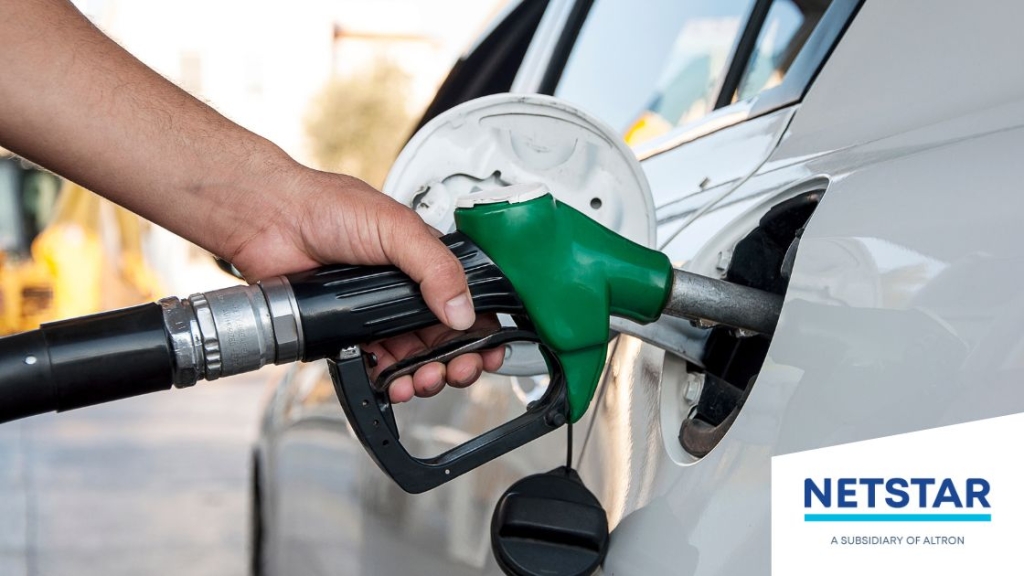
Running a business is becoming more expensive, and as any fleet manager will tell you, the increasing fuel prices are biting especially hard. The right telematics solutions can bring about efficiency and ultimately reduce fleet fuel costs.
As of March 2025, the average price for unleaded petrol across the five largest cities in Australia reached 182.2 cents per litre (cpl) and diesel 186.9 cpl. For fleets with large numbers of cars on the road, clocking up hundreds of thousands of kilometres, even a small rise in those numbers adds to the operating cost of each vehicle. Not only that, but inflation and other pressures are likely to continue this trend.
It’s more important than ever for fleet managers to set their businesses up proactively for maximum efficiency. Keeping a well-maintained fleet that travels efficiently and on the most effective routes is one of the easiest ways to manage costs. That’s where fleet telematics solutions and fleet route optimisation software can assist you with fleet fuel management.
How Telematics Solutions Help With Fleet And Fuel Management
Telematics systems combine GPS, on-board diagnostics and wireless communications to capture and transmit real-time vehicle data to a central system. The data allows companies to monitor vehicle location, driver performance, engine performance and fuel usage. Being able to transform this data into actionable intelligence, telematics solutions make fleets of any size more efficient, safer and cheaper to run.
The four basic areas in which telematics can assist are:
Reducing raw fuel consumption
With fuel accounting for around 40% of fleet operating expenses, it’s clear that taking into consideration raw fuel consumption is the most common-sense way of reducing fleet fuel costs across an operation. Fuel is often wasted due to a combination of vehicle inefficiencies and driver behaviour, such as:
-
Excessive idling – Idling trucks and vans burn enormous amounts of fuel. Even sitting for 10 minutes will burn up to a litre of fuel, depending on the vehicle. Transport for NSW reports that eco-driving practices can deliver 10–27% fuel savings for both heavy and light vehicles.
-
Harsh driving habits – Research from Germany found that aggressive driving, such as rapid acceleration, hard braking and speeding, all increase fuel consumption significantly compared to standard driving habits.
-
Underinflated tyres – Low tyre pressure increases rolling resistance, forcing the engine to work harder and consume more fuel.
-
Overloading vehicles – Carrying excess weight reduces fuel economy because the engine must use more energy to move the vehicle.
By adopting fleet telematic solutions for fuel management, organisations in high-consumption markets such as delivery, logistics and service fleets can achieve significant savings, improve sustainability and simplify operations end-to-end.
Fuel credit accuracy
Fuel credit claims used to be based on handwritten logbooks, driver estimates and comments. This process was error-prone with missing information and lost credits. Small inaccuracies would be expensive in the long term, especially for fleets with large numbers of vehicles and long routes.
With a new telematics system, fuel data is automatically recorded, trip by trip and by vehicle. The system records distance, idle time, route type and fuel usage in real-time, creating a clear and auditable record of every trip. That data is exportable immediately to facilitate fuel tax credit claims and audit compliance, eliminating guesswork and paperwork.
The result is correct, audit-proof reporting that makes the most of no credits lost and every eligible litre captured. This helps reduce fleet fuel costs without compromising on smooth, trouble-free compliance checks.
Reducing maintenance costs
Vehicle maintenance is important, as issues like dirty air filters, worn spark plugs or poorly tuned engines can all reduce fuel efficiency. Traditionally, fleet maintenance has been performed on fixed schedules or after a vehicle has already broken down. This reactive approach often leads to unexpected repairs, longer downtime and higher costs.
With modern telematics, maintenance becomes proactive. Fleet managers can receive automatic maintenance alerts and diagnostic reports so that servicing can be planned only when necessary rather than on assumptions. This kind of predictive maintenance extends the life of the vehicle, reduces downtime and keeps the fleet moving at a lower total maintenance and fuel cost, a key element of effective fleet and fuel management.
Minimising the impact of theft/unauthorised use
Wasteful trips, wasted routes, inefficient scheduling and unauthorised vehicle use are all major drivers of wasted fuel. In traditional fleet management, unauthorised trips go untracked until later, leading to wasted fuel, unnecessary wear and possible safety risks.
A telematics system tracks every vehicle’s use in real time. Geofencing features allow the fleet manager to set approved operational zones and be alerted immediately if the vehicle departs from them or if a vehicle is started outside of hours. Alerts are received directly on a mobile app or dashboard alert, allowing for immediate investigation and response.
Because telematics provides live location data, stolen or otherwise misused vehicles can be located and recovered quickly, reducing downtime and fuel consumption. This level of visibility and control makes every kilometre of driving authorised, productive and billed to reduce fleet fuel costs.
Final Thoughts
Telematics also plays an important part in fleet fuel management, as it allows organisations to track and control the consumption of each vehicle.
This leads to increased efficiency, reduced cost and improved productivity across your business.
To learn more about how to reduce fleet fuel costs and the full range of benefits offered by Netstar’s fleet and fuel management solutions, contact us today to discover how we can help optimise your fleet performance.
Frequently Asked Questions
How much does telematics cost for a vehicle?
Netstar telematics prices differ based on the type of device and the functionality you need. Most products have a one-off device price and a monthly subscription that gives you tracking, data and customer service. There are various prices for private cars, commercial fleets and heavy machinery. For more information, it’s better to contact Netstar to get a quote specific to your vehicle type and usage.
Can telematics track your vehicle speed to reduce fuel costs?
Yes. Netstar telematics systems monitor driving behaviour, including vehicle speed, harsh acceleration and braking patterns. Fleet managers can use this data to identify inefficient driving habits that waste fuel and educate drivers to operate more efficiently. By encouraging smoother driving, telematics helps improve fuel economy and lower running costs.
Are there any disadvantages to telematics?
The biggest issue with telematics is driver acceptance and management of data. There may be some drivers who do not like to be tracked. , but Netstar keeps all tracking open and in accordance with privacy laws. Data accuracy depends on mobile or satellite coverage, but Netstar’s systems use 4G and GPS technology to provide reliable performance across Australia. In general, the benefits of increased efficiency, safety and cost advantages outweigh the limitations.
Does telematics include GPS to track fuel consumption?
Yes. Netstar’s telematics devices include GPS tracking integrated with fuel monitoring tools. They record vehicle movements, engine data, idle times and fuel usage in real time. This information helps companies understand fuel trends, detect waste or misuse and make informed decisions to reduce consumption.
Are all new cars in Australia fitted with telematics?
Not all new vehicles in Australia come with full telematics systems. Most new vehicles have standard connectivity or GPS capability, but advanced telematics, like Netstar’s, provide much more detailed data on vehicle performance, location and fuel efficiency. For complete fleet visibility and reporting, most businesses choose to have a dedicated Netstar telematics unit installed to meet their operational needs, reduce fleet fuel costs and improve overall fleet productivity.